The Sixth Shower Problem: Asking Better Questions About Cottage Hot Water
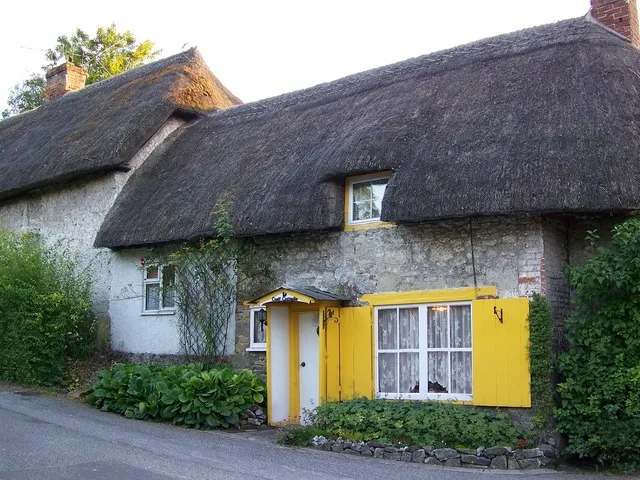
Photo: Trish Steel, CC BY-SA 2.0, via Wikimedia Commons
Winter cottage bookings have a way of making the small print feel very large. You can study the photos, check the pub distance and confirm the dog policy, then arrive on a Friday in January to find that the hot water lasts exactly long enough for one shower and a half-hearted shave. The listing said 'sleeps six'. Nobody said anything about the sixth person waiting until lunchtime.
At HolidayCottages.cc, we think hot water deserves more attention than the welcome hamper. It is not a luxury extra; it is the plumbing equivalent of a reliable car. Here is how to ask about it before you book a winter stay, without turning into a boiler inspector.
Ask what makes the hot water, not just whether it exists
Almost every cottage listing promises hot water. The useful question is where it comes from. A combi boiler heats water on demand, so the supply depends on flow rate and how many taps are running at once. A conventional system stores hot water in a cylinder, which means the cottage has a finite tank and a recovery time. A thermal store works differently again. Some rural places have an immersion heater as a backup, and some have electric showers that heat their own water.
None of these is automatically better. A well-sized combi can be brilliant for a couple in a small cottage. A large cylinder can serve a family well if it is properly heated and the bathrooms are not all running at 7.30am. The problem is guessing. Ask the host directly: 'What heats the hot water, and how much is stored at any one time?' If the answer is vague, ask a follow-up: 'Is it a combi, a cylinder or an immersion?' Hosts who know their property will usually answer quickly. Hosts who do not may still be lovely, but you are booking with less information.
Do the morning maths for a full house
A cottage that sleeps six is not the same as a cottage that showers six in comfort. A typical shower uses somewhere around eight to ten litres a minute, though older or low-pressure showers can be less. A bath can use far more. If a cylinder holds 150 litres of hot water and it is shared between six people, the queue matters. Recovery time matters too: a cylinder may take half an hour or more to heat back up after the morning rush.
This is why 'sleeps six' can mean a very cold sixth shower. It is not necessarily false advertising. It is a demand problem. Ask the host how the hot water copes when the cottage is full. A good answer sounds specific: 'There is a large cylinder and an immersion boost', or 'the shower is electric, so it runs independently'. A less helpful answer is 'nobody has complained'. That may be true, but it is not the same as tested.
Check pressure, mixers and the rural reality
Water pressure is the quiet character in this story. Rural cottages can be on shared supplies, private boreholes or header tanks. Some have pumps; some do not. Low pressure can turn a shower into a sad dribble, while high pressure in an old cottage can make mixer taps lively. If the listing mentions a 'power shower', ask what powers it. If it mentions a 'family bathroom', ask whether there is a separate shower and how it performs.
It is also worth asking whether the hot water is on a timer. Many hosts set it to come on morning and evening, which is fine for most stays but can catch out early risers or late arrivals. Ask if you can override the timer, and where the controls are. In winter, a cold cottage and a cold shower are two different problems, but they often arrive together.
Winter-specific checks that actually matter
Cold weather puts pressure on rural systems. Oil and LPG boilers need fuel, condensate pipes can freeze, and power cuts can knock out heating and hot water at the same time. None of this is likely, but it is worth knowing how the cottage is set up. Ask whether there is an immersion heater or other backup, whether the boiler has been serviced recently, and what you should do if the hot water stops. A host who can answer calmly is a good sign.
If the cottage is remote, also ask about mobile signal and emergency contact arrangements. Not because you expect trouble, but because a quick call is often the difference between a minor blip and a ruined morning.
Five questions to send before you book
- What heats the hot water — combi, cylinder, thermal store or immersion?
- How many bathrooms and showers are there, and do any run independently?
- How does the system cope when the cottage is at full occupancy?
- Is the hot water on a timer, and can guests override it?
- Is there a winter backup if the boiler or power fails?
These questions take two minutes to send and can save a lot of shivering. They also signal that you care about the property, which most hosts appreciate. If the answers are thin, look closely at recent reviews for mentions of showers, pressure or hot water. Guests tend to mention it when it goes wrong.
A winter cottage break should be about long walks, wet coats drying by the door and a hot bath at the end of the day. That last part is not a detail. It is the point. Ask about the boiler before you book, and you are much more likely to get it.