The Summer 2027 Cottage Calendar: What November's Early Bookings Actually Mean
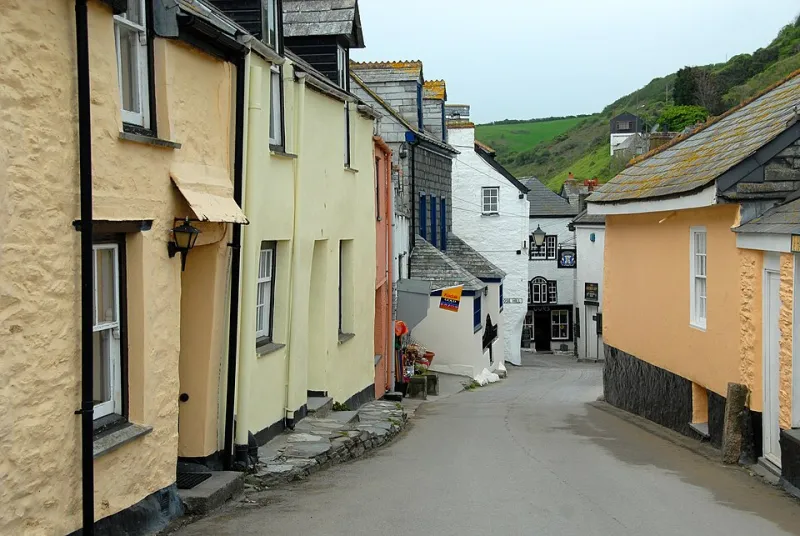
Photo: Bryan Ledgard, CC BY 2.0, via Wikimedia Commons
Summer feels a long way off from a wet November Tuesday. But if you've been idly browsing cottages for next July, you'll have noticed something: the calendar is not as empty as you'd expect. Across the UK self-catering market, summer 2027 bookings are already being taken—not everywhere, and not for every property, but enough that the best weeks in the most popular spots are starting to look patchy. As of 10 November 2026, this is the point where the summer 2027 picture starts to sharpen.
Where the summer 2027 map is filling first
It is not a nationwide stampede. The early movement is concentrated. Coastal Devon and Cornwall, the Lake District, the Cotswolds, Pembrokeshire, Northumberland and the Suffolk coast are all seeing summer weeks go before the frost arrives. So are the classic cottage types: dog-friendly places with a garden, properties with a hot tub, large houses for group bookings, and anything that can genuinely claim a sea view or a short walk to a pub.
The school summer holidays are the first to go. Late July and the whole of August are the weeks that disappear from the calendar while the rest of us are still arguing about Christmas. If you need those dates—because of work, school or a family gathering—you are competing for a smaller pool than you might think. If you can move to late June, early July or the first week of September, the pressure drops considerably.
The deposit maths: what you pay now, what you owe later
Most UK cottage bookings still work on a deposit-and-balance model. A deposit of around 25% to 30% is common at the time of booking, with the balance due roughly eight to twelve weeks before arrival. Some owners take a smaller holding deposit; others ask for a higher percentage for peak weeks or large properties. The key point is that the deposit is usually non-refundable, or only refundable in specific circumstances set out in the terms.
That matters when you are booking eight months ahead. You are not just reserving a cottage; you are making a financial commitment now for a holiday later. The price is normally locked at the rate you book, which is one of the genuine benefits of going early. But check what that price includes. Hot tub use, pets, logs, linen, cleaning and any energy supplement should all be clear before you pay. A price-lock is only useful if the headline rate is the real rate.
Genuine scarcity versus the hard sell
Early booking pressure can be real, but not every 'only one left' message is. A listing that is genuinely popular tends to show a few consistent signs: a calendar with sensible gaps rather than random blocks, recent reviews that mention repeat visits, an owner who answers questions promptly, and pricing that is consistent across the platforms where the property appears. If the same cottage is 'almost gone' on three different sites with three different countdown timers, treat the urgency with a pinch of salt.
Artificial scarcity often looks like a pop-up telling you how many people are viewing, a 'was' price that has been crossed out for months, or a booking calendar that shows availability but a message insisting you must act now. None of that is illegal, but it is not evidence of demand. The most reliable signal is still the calendar itself—and a polite question to the owner about how the summer is booking.
What early bookers gain—and what they risk
Book now and you get choice. You get the specific cottage, the specific week and the specific layout that suits your group. You also get a fixed price, which protects you if 2027 rates rise. For popular properties in school holidays, that can be worth a lot.
The risk is equally simple: your plans may change. A new job, a family event or a shift in school dates can turn a carefully chosen week into an expensive mistake. Cancellation terms vary widely. Some owners offer a transfer to another date; many do not. Travel insurance that covers cancellation for unforeseen circumstances is worth considering, especially when you are committing to a non-refundable deposit months in advance.
If you're not ready to commit
You do not have to join the November rush. If you are still weighing up dates, set availability alerts on the cottages you like and shortlist a handful rather than booking the first one that feels urgent. Ask owners whether they offer a provisional hold—some do for a few days, though it is never guaranteed. Keep an eye on shoulder weeks, which often open up later and at better prices. And read the cancellation policy before you pay, not after.
The summer 2027 booking rush is real, but it is not a stampede. It is a slow sorting process, and the best response is to know what you want, what you can afford to lose, and which weeks you are genuinely flexible about. Book early if the right cottage matters more than the right price. Wait if the reverse is true. Either way, go in with your eyes open.