Before the Lamps Come On: Building a Daylight Arrival Into Your Winter Cottage Booking
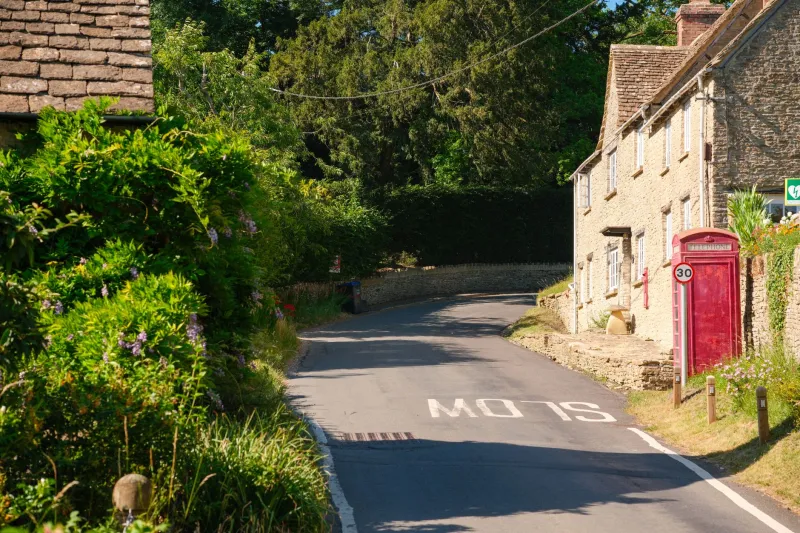
Winter cottage arrivals have a habit of looking simple on paper. You book a Friday to Monday break, note the 4pm check-in, plan a lunch stop and assume you will be unpacking with a cup of tea by half four. Then the sun sets at ten past four, the lane narrows to a single track, and the key safe turns out to be behind a bin store that is not where you pictured it. None of this is a disaster. But it is not the start you paid for either.
The Check-In Time Is Not the Arrival Time
In June, a 4pm check-in leaves hours of light for finding the parking spot, working out which key opens the back door and reading the boiler instructions. In December, 4pm is often dusk or later. By the time you have done the final mile, the cottage can feel less like a welcoming bolthole and more like a puzzle in low visibility.
That is the daylight deadline. It is not an official term, and no host will put it in the listing. It is simply the point in the afternoon when the practical bits of arrival become harder than they need to be. For winter 2026–27, treat it as a planning tool rather than a reason to worry. Check the sunset time for the cottage postcode, not your home town, and work backwards from there.
Ask Better Questions Before You Travel
Most booking confirmations tell you the check-in time and little else. That is fine in summer. In winter, a few extra questions are worth asking before you pay the balance or pack the car. Keep them friendly and specific. Hosts generally prefer a guest who asks early to one who rings at 5.30pm from a dark verge.
- What is the final approach like, and where exactly should we park? Ask for a landmark as well as a postcode. Rural postcodes can cover a long stretch of lane.
- Where is the key safe, and is the outside light on a timer, sensor or switch? A light that only works once you are inside is not much help.
- Is early check-in possible in winter? Off-season changeovers are sometimes more flexible, but ask rather than assume.
- How does the heating and hot water work? A few lines about the thermostat, boiler or night storage heaters can save half an hour of button pressing.
- What is mobile signal like, and is there a landline or wifi calling? If the final mile is patchy, download instructions before you leave the main road.
- Can a grocery delivery be left, and where? A timed delivery is only useful if it can reach the door and you can find it.
Build a Daylight Buffer Into the Travel Day
The easiest way to avoid a dark arrival is to treat the journey as part of the holiday rather than an admin task. If sunset is around 4pm, aim to be at the cottage by 3pm. That gives you a buffer for traffic, a wrong turn and the bit where you stop to re-read the host's directions.
Friday afternoons in winter are not automatically quiet. Roadworks, weather and the usual end-of-week rush can all eat into the plan. If you are travelling a long way, consider a midweek start or a Sunday arrival instead. The cottage may be cheaper, the lanes quieter and the light no worse. If you cannot avoid a late arrival, tell the host before you set off. Ask them to switch on the outside light and confirm the key safe location by message. A quick call at 2pm is far better than a torchlit search at 6pm.
Screenshot the arrival instructions, save the host's number and note the what3words location if one is provided. Do not rely on a single bar of signal at the end of a valley. A printed sheet in the glovebox may feel old-fashioned, but it never needs charging.
Pack an Arrival Kit, Not a Second Suitcase
You do not need to pack the whole house. You do need a small kit that lives in the boot, not at the bottom of a suitcase. A head torch is more useful than a phone torch because it leaves your hands free for the key safe. Spare batteries, a power bank and a car charger are cheap insurance. Add a printed copy of the booking, a warm layer, and a pair of slippers or thick socks for the first hour indoors.
Food is the other practical bit. Arriving after dark with no milk, no tea and no breakfast is a self-inflicted obstacle course. Pack a small first-night bag with tea, coffee, milk, butter, bread and something easy for supper. If you are ordering groceries, book the slot for after your expected arrival and check that the delivery can find the cottage. A welcome hamper is lovely, but it is not a meal plan.
If you have a dog, pack a towel and a torch for the last walk of the day. If you have children, keep their pyjamas and a favourite book in the same first-night bag. The aim is simple: the first hour inside should not involve unpacking the car to find the kettle.
When the Light Goes Before You Do
Sometimes the plan slips. A closed road, a delayed train or a child who needs a stop can put you behind schedule. If that happens, do not press on into an unfamiliar lane in the dark just to prove a point. Stop in a lit village, call the host and ask for clear directions. If you are close but confused, send a location pin. Hosts would much rather guide you in than wonder where you are.
Once inside, deal with the essentials before the nice-to-haves. Find the heating controls, put the kettle on, check the wifi and read the house notes. Do not light a wood burner or adjust a complicated heating system if you are not sure how it works. A quick message to the host is better than a cold night and a smoky sitting room.
The First Night Should Not Be a Test
A daylight arrival is not about being overly organised. It is about giving yourself time to notice where you are. In winter, that might mean a short walk to the pub before the lamps come on, a view you can actually see, or simply the pleasure of unpacking without a torch clamped between your teeth. The cottage is supposed to be the treat. A little planning around the light means the first night feels like the start of a holiday, not an obstacle course you have to complete before you are allowed to relax.