When 'Sleeps Four' Meets Four Grown-Ups: A Cottage Bed Audit

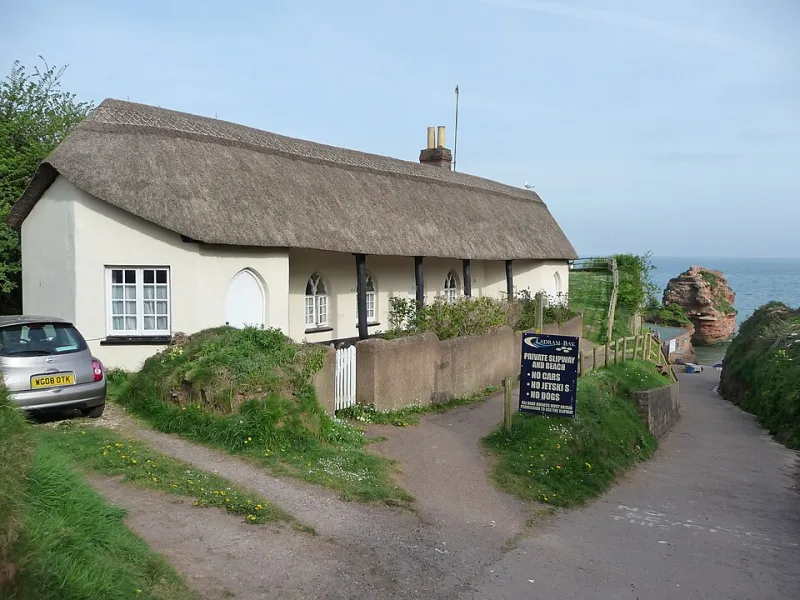
Photo: Jane McAulay, CC BY-SA 2.0, via Wikimedia Commons
“Sleeps four” sounds reassuringly precise. In UK self-catering, it is often closer to a suggestion than a specification. A cottage can sleep four in the same way a car can seat five: technically true, but not necessarily comfortable for five adults with luggage, opinions and a shared bathroom rota.
That matters most for groups of friends and multi-generational families, where everyone is old enough to expect a proper bed rather than a mattress that unfolds from under a settee. The good news is that most occupancy surprises can be spotted before you pay. You just need to read the listing like someone who has been burned before.
Start with beds, not bedrooms
A two-bedroom cottage is the classic trap. One room may have a king bed, the other may have two singles, and the sofa bed in the lounge brings the official count to six. For a couple with two small children, that can work nicely. For three couples on a weekend away, it is a diplomatic incident waiting to happen.
Look for the bed configuration before you look at the gallery. A listing that says “sleeps four” but only names one double bed and a sofa bed is not offering four adults the same experience. It is offering one couple a bedroom and two people a nightly negotiation over who gets the lumpy side of the fold-out.
Check bed sizes too. A UK double is 4ft 6in wide, which is fine for many couples but not everyone’s idea of a holiday. A king is 5ft, a super-king 6ft, and a small double is 4ft. If two tall adults are sharing, that detail matters more than the colour of the cushions.
The bunk-room problem
Bunk beds are brilliant for children and increasingly common in cottages that market themselves to families. They are less brilliant for adults, especially when the top bunk is close to the ceiling or the ladder is positioned over a radiator.
If the listing mentions a bunk room, ask who it is designed for. Some hosts honestly describe bunks as suitable for children only. Others count them towards an adult occupancy figure because, physically, a grown-up can climb in. That is not the same as recommending it.
For multi-generational breaks, think about who is being asked to take the bunk. A teenager may be delighted. A grandparent with a bad knee will not be. If the sleeping arrangement only works when one person draws the short straw, the cottage is not really sleeping the group you have in mind.
Sofa beds and the adult test
Sofa beds vary enormously. A modern pull-out with a proper mattress can be acceptable for a night or two. A futon-style fold-down in a lounge that doubles as the main thoroughfare is a different proposition. It may also be the only route to the kitchen, which makes an early night impossible.
Ask three questions: what type of sofa bed is it, how old is the mattress, and where is it located? If the answer is “in the living room” and your group includes early risers, late sleepers and someone who likes a 6am cup of tea, plan accordingly.
Some listings describe a “day bed” or “truckle bed” as adult sleeping space. These can be perfectly comfortable, but they are usually best for children or shorter stays. They should not be treated as equivalent to a dedicated bedroom when you are splitting the cost between adults.
Reading floor plans and photo angles
Floor plans are your friend. They show whether the second bedroom is a genuine bedroom or a passage room you walk through to reach the bathroom. They reveal whether the sofa bed blocks the French doors and whether the “cosy” lounge has enough seating for four people, let alone four adults and a dog.
Photos deserve a second look. Wide-angle lenses make small rooms look generous, and bed shots often crop out the fact that one side is against a wall. A bedroom photographed from the doorway may hide a lack of wardrobe space. A bunk room photographed from below may make the ceiling clearance look more generous than it is.
Look for photos of every bed made up, not just the main bedroom. If the sofa bed only appears as a folded sofa in the corner, assume you have not seen its sleeping form.
Questions to ask before you pay
A short, polite email to the owner or agency can save a lot of grumbling. Ask for the exact bed measurements, whether the sofa bed is intended for adults, and whether all beds will be made up on arrival. Some cottages charge extra for sofa-bed linen, which is worth knowing before you divide the bill.
Also ask about bathroom access. A cottage that sleeps four adults with one shower room can work, but not if everyone is trying to leave for a wedding at the same time. And check whether any bedroom is accessed through another. That layout suits some families and baffles others.
A quick group checklist
- Count proper beds first, then add sofa beds and bunks as a separate category.
- Match bed sizes to the adults who will share them, not just to the number of guests.
- Check whether bunk beds are described as suitable for children only.
- Ask where the sofa bed sits and whether it blocks a main living space.
- Confirm linen is included for every bed, including fold-outs.
- Look at the floor plan for through-rooms, bathroom access and seating.
- Be honest about stairs, low ceilings and anyone with mobility needs.
“Sleeps four” is not a lie, exactly. It is a shorthand that assumes a certain kind of group. Before you book, make sure that group is yours. A few minutes spent on bed configurations is cheaper than discovering on the first night that the fourth adult is on a futon in the hallway.