The Cable Reach Test: What 'EV-Friendly' Really Means at a Rural Cottage
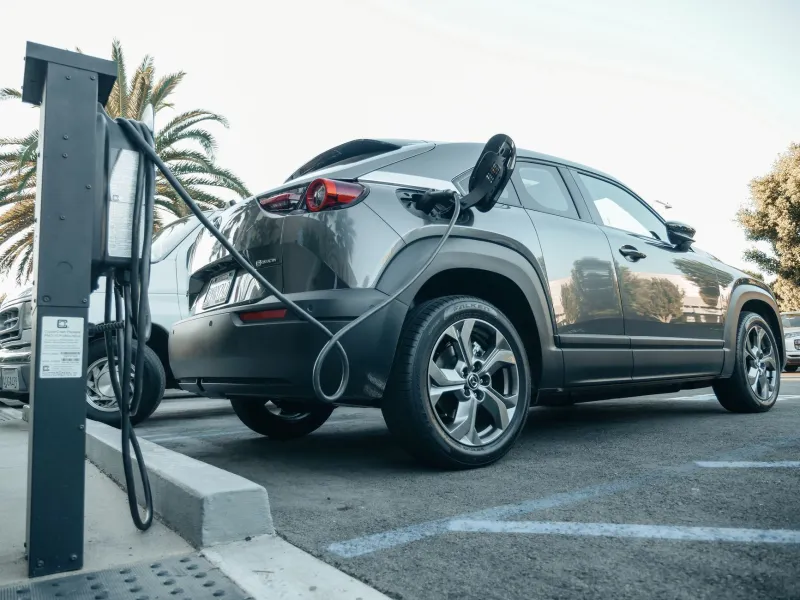
There is a particular kind of optimism that comes from reading 'EV-friendly' on a cottage listing. You picture rolling up, plugging in, and waking to a full battery before a day on the coast path. The reality can be a three-pin socket in a shed, a cable that stops two metres short of the car, or a village with fewer chargers than pubs. None of that is necessarily a dealbreaker, but it is worth auditing before you pay.
Start with the plug, not the promise
'EV-friendly' is not a regulated term. It can mean a dedicated 7kW wallbox, a commando socket, a 13A outdoor socket, or simply permission to run a cable through a window. Those are very different propositions. A proper 7kW charger will add meaningful range overnight; a three-pin trickle charge will add roughly 8–10 miles per hour at best, and often less if the cable is long or the socket is old.
Ask the owner to name the hardware. If they say 'a charger', ask whether it is a tethered Type 2 unit or a socketed one, and whether it is 7kW or 22kW. If they hedge, assume it is a domestic plug. That is not a con, but it changes how you plan the trip — especially if you are arriving with a low battery and leaving early.
Parking position is half the battle
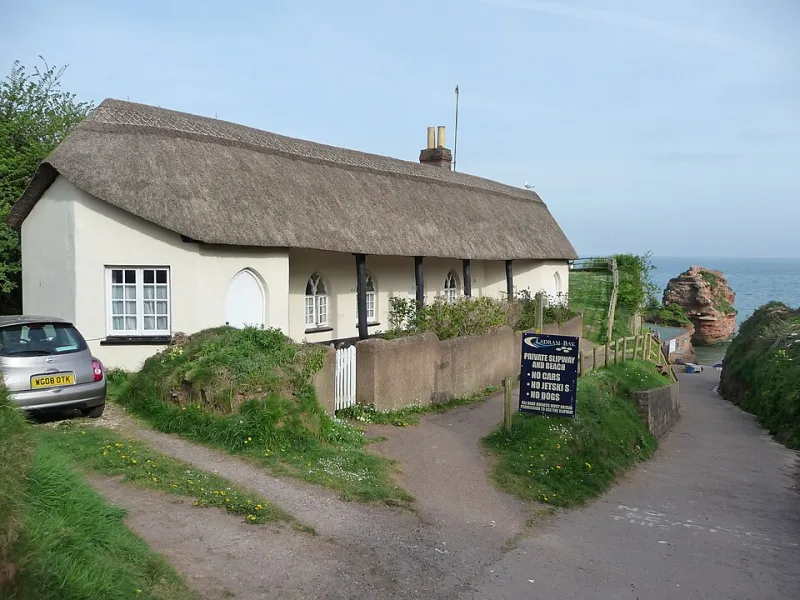
A charger is only useful if the car can reach it. Rural cottages often have parking that is picturesque but awkward: a gravel patch behind a gate, a shared courtyard, a lane with a hedge on one side. A 5-metre cable is standard; 7.5 metres is generous. Ask where the charge point sits relative to the parking space, and whether you can reverse in without blocking a neighbour or a farm track.
If the answer is 'you can park in the lane', check whether that is legal and safe. A cable across a public footpath is a trip hazard and, in some places, a problem with the local authority. A cable across a shared courtyard may annoy other guests. These are the details that turn a simple top-up into a 20-minute shuffle at 10pm.
The three-pin reality check
A three-pin socket is not useless. For a plug-in hybrid, or for topping up an EV over a long weekend, it can be perfectly adequate. But it comes with caveats. Older sockets can warm up under sustained load; extension leads are a bad idea unless they are rated for the job and fully unwound; and an outdoor socket may be on a circuit that also feeds a shed, a hot tub or an outbuilding.
Ask whether the socket is on its own circuit and whether it is RCD-protected. Ask if the owner has had it checked recently. If they do not know, that is not a reason to cancel, but it is a reason to arrive with a plan B and to avoid leaving a cheap extension lead coiled under a car in the rain.
The questions that expose the setup
A short, polite email before booking will save a lot of guesswork. Ask:
- What type of charge point is it, and what connector does it use?
- Is it tethered or do I need my own cable?
- How far is the parking space from the charge point?
- Is the charge point shared with other cottages or the owner's house?
- Is there a fee, an app, or a timer?
- Can I charge overnight, or are there quiet hours?
- What happens if the charger is faulty — is there a local backup?
The answers will tell you more than any badge on a listing. A host who can answer in detail usually has a setup that works. A host who says 'I think there's a plug in the barn' is telling you something too.
Electricity terms: who pays, and how?
Some cottages include EV charging in the rental; others meter it, take a flat fee, or ask you to use a public charger. There is no standard. Check the terms before you book, because a 'free' charge point can come with a fair-use clause, and a metered one can add more to your break than you expect if you are doing big mileage.
Look for the difference between 'EV charging available' and 'EV charging included'. If it is included, ask whether there is a daily cap. If it is metered, ask how the reading is taken and when you pay. If it is a separate app, check that it works on a guest account rather than the owner's personal login. These are small administrative details that can sour a good weekend.
The village charging desert
Rural Britain is full of beautiful places with thin charging infrastructure. A cottage may be genuinely EV-friendly, but the nearest rapid charger could be 25 minutes away, behind a supermarket, and busy on a Sunday. Check Zapmap or the local council's charge point map before you commit, and look at recent check-ins rather than the pin count. A charger that has been 'temporarily unavailable' for three months is not a backup.
Also consider the return journey. If you are doing day trips to beaches and market towns, you may not need much top-up at the cottage. If you are arriving from 200 miles away and leaving early, you will. Match the charging plan to the itinerary, not the other way round.
Red flags that turn into arrival-day headaches
The warning signs are usually about vagueness. 'EV-friendly' with no further detail. A charge point described as 'on request'. A cable run that depends on moving another car. A host who asks you to use an extension lead. A listing that mentions a charger but not the parking. A shared driveway with no clear allocation.
None of these are automatic noes. But they are prompts to ask one more question. The best cottage EV setups are boring: a dedicated unit, a clear parking spot, a straightforward payment method, and a host who knows how it works. Boring is exactly what you want when you are tired, it is raining, and the battery is at 12%.
Before you book, run the cable reach test in your head. Picture the car, the parking space, the plug, and the route between them. If you can see the whole chain working, you have found a genuinely EV-friendly cottage. If you cannot, you have found a lovely cottage with a three-pin promise — which is fine, as long as you pack accordingly.