The Sound Check: How to Hear a Cottage Before You Book It
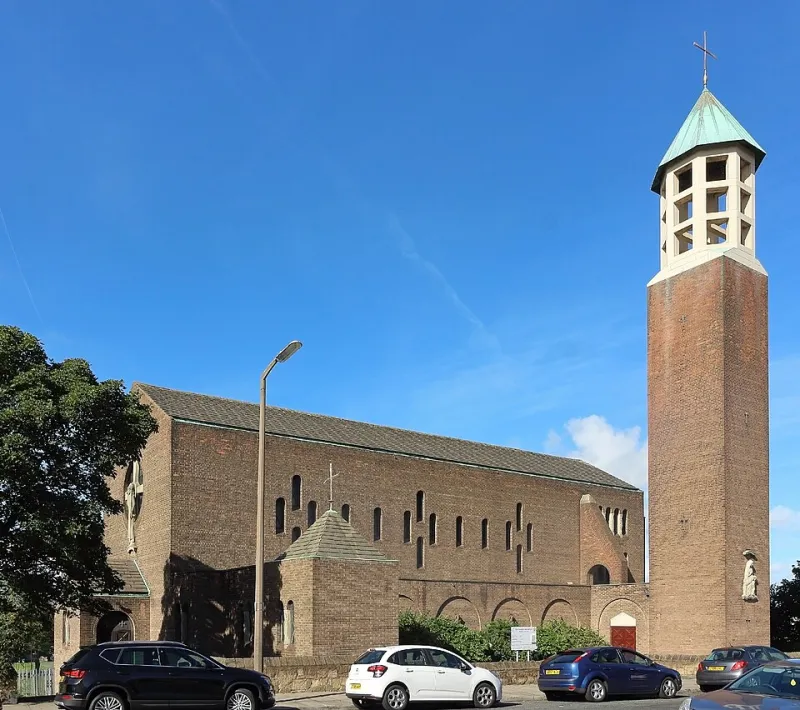
Photo: Rodhullandemu, CC BY-SA 4.0, via Wikimedia Commons
Most cottage listings sell the view. You get the window shot, the field beyond, the sunset over the hill and perhaps a cup of tea placed carefully on a windowsill. What you rarely get is a soundtrack. Yet sound is one of the first things guests notice on arrival — often before they have unpacked the car. A cottage can look idyllic and still sit beside a working farm, under a church tower or within earshot of a road that never appears in the photo gallery.
That does not make it a bad cottage. It makes it a cottage with a particular acoustic setting, and that setting is worth checking before you book. If you are a light sleeper, travelling with a baby, bringing a nervous dog or simply hoping for a lie-in, a little pre-booking detective work goes a long way.
Start with the map, not the listing
Open the satellite view before you fall for the interiors. Trace the nearest road, then trace it again. A lane that looks tiny on the listing map can be a busy shortcut at commuter time. An A-road two fields away may not be visible from the garden, but low-frequency traffic hum travels further than most people expect, especially at night when the birds have clocked off.
Street View is useful for the approach, but do not stop at the front gate. Look around the wider area for churches, farmyards, industrial units, village halls, playing fields, pub gardens and recycling sites. Ordnance Survey maps are excellent for footpaths, contours and the telltale labels that satellite images miss. If the cottage sits next to a working farm, assume there will be machinery at some point. The question is not whether tractors exist, but when they run and how close they come.
Read the land, not just the lane
Tractor noise is seasonal and stubborn. It might mean a gentle chug past the window at 8am, or it might mean a grain trailer reversing outside the bedroom at 6.15am during harvest. Satellite maps can reveal farm tracks, barns and gateways that give the game away. If the cottage is described as being on a farm, ask directly which fields are worked and whether the access track passes the property.
Church bells are another classic. A tower 150 metres away can be charming on a Sunday morning and less charming if the clock chimes every hour through the night. Some churches ring for practice midweek; others have a single bell that marks the hour. Neither fact tends to appear in the amenity list. Find the church on the map, then check its website or noticeboard for ringing times.
Delivery lorries, bin collections, oil deliveries and feed wagons are harder to map, but they follow routines. A narrow village lane with a farm shop or pub at the end may see more early traffic than the photos suggest. If the cottage has a shared drive or sits opposite a village hall, ask what happens on quiz nights, market mornings or when the parish council meets.
What the local hive mind knows
Local Facebook groups can be surprisingly useful, provided you read them carefully. Search the village name alongside words such as noise, bells, farm, road and early. You are not looking for one dramatic rant; you are looking for patterns. If three different people mention the same early-morning tractor route, that is worth noting. If one person complains about everything, treat it as weather rather than climate.
A polite post in a local group can also work well. Something like: 'We are thinking of booking a cottage near the green — can anyone tell me what the mornings are like?' tends to get kinder, more useful answers than a blunt question about noise. Locals know which lane gets the school run, which church bells ring and which farm starts silage work in May. They also know when a road is quieter than it looks.
Questions worth asking the host
Hosts are not obliged to provide a soundscape report, but most would rather answer a sensible question than deal with a disappointed guest. Keep it specific and friendly. Ask what can be heard from the main bedroom with the windows open. Ask whether there is a working farm nearby and what time machinery tends to start. Ask about church bells or a chiming clock. Ask how close the nearest A-road or B-road is and whether traffic can be heard indoors.
It is also fair to ask about deliveries, bin collections and seasonal shooting traffic if those things matter to you. Autumn and winter shoots can bring vehicles and activity to quiet lanes, even if the cottage itself is not part of the shoot. If you are bringing a dog that dislikes bangs, that is worth raising before you book. If you need absolute silence, say so plainly. A good host will tell you whether their cottage is the right fit rather than promise you a library for a week.
Match the sound to your holiday
Noise is personal. A couple who rise at 6am may love the sound of a farm waking up. A family with a newborn may not. A pub garden can be a joy at lunchtime and a nuisance at closing time. A village hall can be empty all week and then host a wedding on Saturday. A quiet single-track lane can still carry a delivery van at 7am.
Think about when you will actually be in the cottage. If you plan to walk all day and collapse at 10pm, a little daytime noise may not matter. If you intend to read in the garden every afternoon, the nearby road or farmyard matters more. If you are booking for a winter weekend, remember that sound carries differently when the trees are bare and the windows are shut.
The final listen
Before you pay the deposit, re-read the listing with your ears rather than your eyes. Phrases such as 'working farm', 'village centre' and 'quiet lane' are clues, not guarantees. Scan the reviews for mentions of early mornings, bells, traffic or deliveries, but remember that one guest's charming rural soundtrack is another guest's 5am alarm.
If a particular sound would ruin the stay for you, ask about it directly and get an answer before you book. The best cottage for you is not the one with the most flattering photos. It is the one whose everyday noise you can live with happily — tractor, bells, road hum and all.