Charm Has Dimensions: Booking an Old Cottage for Tall People, Bad Knees and Big Suitcases
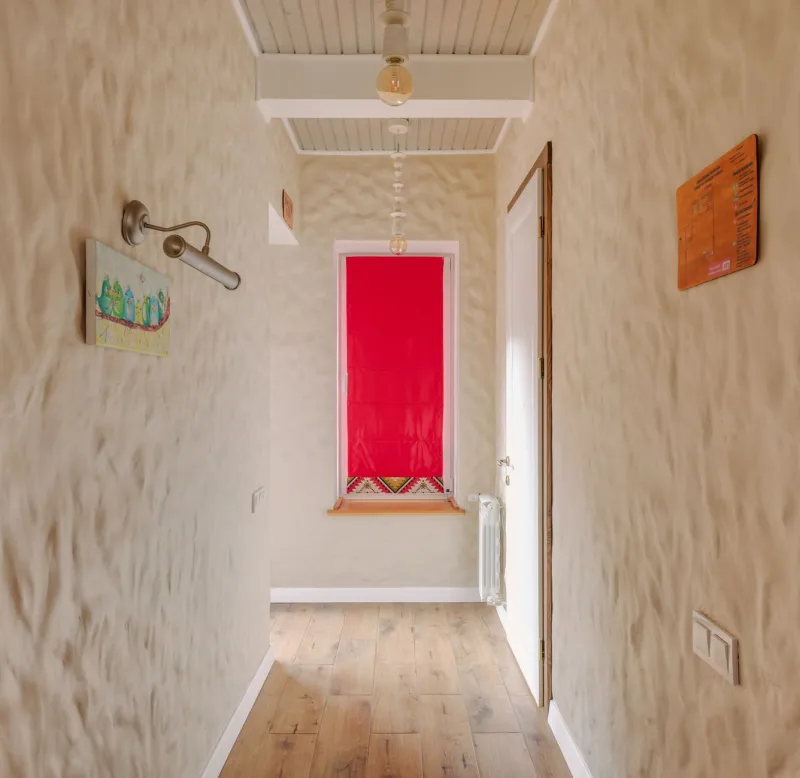
Character cottages are sold on atmosphere: exposed oak, wonky floors, inglenook fireplaces and doorways that look like they were built for hobbits. And that is fine. The problem starts when the listing treats all of that as pure romance and forgets to mention that the main bedroom ceiling slopes to four feet, the staircase turns like a corkscrew, and the bathroom is down a gravel path. None of those things are deal-breakers in themselves. They are only deal-breakers when nobody told you before you paid the deposit.
Start with the bodies, not the brochure
Before you fall for a beamed bedroom or a listed stone staircase, make a quick list of who is actually going. Not the idealised version of your family, but the real one: the six-foot-three teenager, the grandparent who uses a stick on bad days, the person who always packs a hard-shell suitcase the size of a small wardrobe, the dog that cannot manage polished wood stairs. Then add the practical stuff: how many nights, how much driving, whether anyone will be arriving after dark.
That list is your filter. A cottage that suits a couple with hand luggage and a love of log fires may be a poor fit for three generations and a week's worth of walking gear. Character is not a universal good. It is a set of physical facts, and those facts need to line up with the people in the car.
The numbers worth asking for
Most listings will tell you the cottage sleeps six and has a wood burner. Far fewer will tell you the headroom under the beams, the width of the staircase, or how many steps there are between the parking space and the front door. Ask anyway. A good owner or agency will know, or will go and measure. The key figures are simple:
- Headroom at the lowest beam and the lowest doorway, especially in bedrooms and the kitchen.
- Stair width, number of steps, and whether there are turns, winders or a steep final tread.
- Bathroom location, and whether it is upstairs, downstairs or outside the main building.
- Bedroom access, including whether the bed is under a slope or beside a low lintel.
- Parking distance and path surface, from tarmac to uneven flagstones.
- Any internal steps or changes of level between rooms.
You do not need a surveyor's report. You need enough information to picture the first ten minutes after arrival, when everyone is tired, the light is fading and the suitcases are still in the boot.
Read the photos like a surveyor
Listing photos are chosen to look inviting, not to answer questions about headroom. But they still give clues if you look past the cushions. Check where the ceiling meets the door frame. Look at the staircase: is there a handrail, and does it run the full way up? A spiral or steep paddle stair might look charming in a photo, but it is a different proposition with a sleeping child or a dodgy hip. Look at the floor levels, too. Old cottages often have a step down into a sitting room or a threshold that catches a toe.
Wide-angle lenses make rooms look bigger and stairs look gentler. If the photos are all low angles and soft lighting, ask for a few ordinary snapshots taken on a phone. Most owners are happy to send them. If they are not, treat that as useful information rather than a red flag on its own.
The staircase is the main event
In old properties, stairs are where charm and practicality collide most often. A staircase built for a 17th-century household may have shallow treads, a steep pitch and a tight turn at the top. That is fine for a weekend bag. It is less fine for a week's luggage, a toddler or anyone who needs to hold a rail with both hands.
Ask whether the handrail is on both sides or just one. Ask if the stairs are open on one side. Ask whether the main bedroom is reached by a normal staircase or a space-saving one. If the listing mentions a 'character staircase' or 'steep original stairs', believe it and plan accordingly. Sometimes the answer is simply to choose the ground-floor bedroom, or to book a different cottage.
Doorways, floors and the final ten metres
Headroom is not just about beams. Old doorways can be low, especially in converted farm buildings and cottages that have been extended over the centuries. A tall guest will notice a six-foot doorway far more than a pretty rug. Uneven floors are another one: they add character, but they can be tricky with a walking stick, a pushchair or a tray of drinks.
Then there is the approach. 'Off-road parking' can mean a gravel yard beside the door or a sloping track fifty metres away. 'Garden access' can mean a step, a terrace or a steep bank. If anyone in the party has mobility issues, ask for a plain description of the route from car to kettle. It sounds dull. It is also the difference between a relaxed arrival and a grim one.
Put the questions in writing
Before you pay a deposit, send a short message with your specific concerns. Keep it friendly and concrete: 'We have a six-foot-four guest and a grandmother who uses a stick. Can you confirm the lowest beam height in the main bedroom, the width of the staircase and whether the bathroom is upstairs?' A good host will answer directly. A vague answer is still an answer.
Save the reply. If the description later turns out to be wrong, you have a record. More importantly, you have made the booking decision on facts rather than on the word 'character' doing all the work.
When charm is the wrong fit
None of this is an argument against old cottages. A low beam and a crooked floor can be exactly what you want from a break in the Cotswolds or the Yorkshire Dales. But a holiday cottage has to work for the bodies in it. If the measurements do not suit your group, choose the barn conversion with level access and a proper shower, or the modern cottage with a downstairs bedroom. There is no prize for toughing it out.
The best bookings are the ones where the cottage is charming and the guests are comfortable. Check the dimensions before you fall for the photographs, and the only thing bruised will be your ego when you realise how long you spent measuring a staircase online.