Where the Cold Settles: A Winter Cottage Guide to Slopes, Shade and Sunlight
Two cottages can sit five miles apart, share the same postcode district and the same view of a very similar hillside, and still feel like different seasons in January. One has frost on the windscreen at noon; the other has a dry doorstep by ten. That gap is rarely about star ratings or the quality of the welcome hamper. It is about the land around the building: the slope, the aspect, the trees, the lane, and the way cold air moves after dark. If you are booking a winter self-catering break, it helps to read a cottage less like a hotel room and more like a small weather system.
Start with the shape of the land
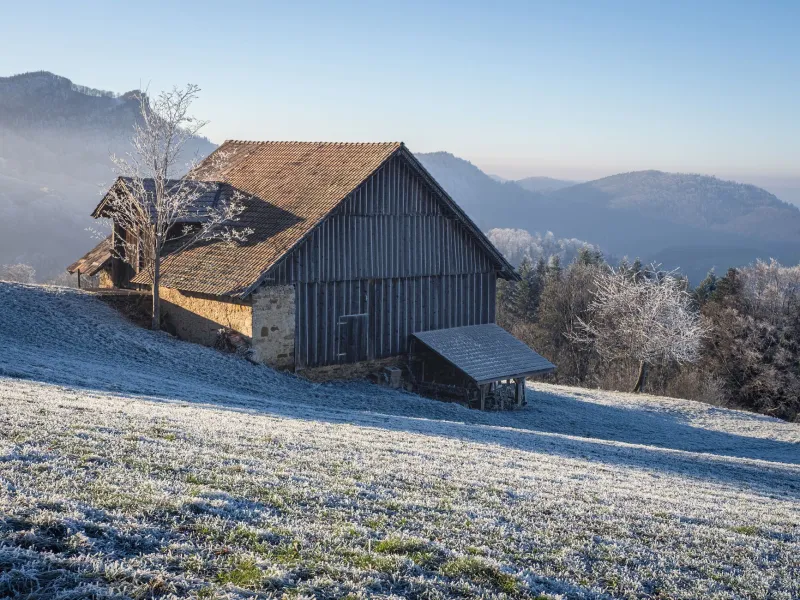
On a still, clear winter night, cold air slides downhill. It collects in hollows, valley floors and the flat ground beside a river, which is why the frost line on a hillside can sit well above the valley bottom. A cottage down in the dip may be a couple of degrees colder than one halfway up the slope, and it may hold that chill longer into the morning. Fog can linger there too, especially where a river runs close by. The hilltop cottage is not automatically warmer, but it is usually better drained by the wind.
You do not need a meteorology degree to spot this. Open an Ordnance Survey map and look at the contour lines. Tight lines mean steep ground; a cluster of lines around a flat pocket means a bowl. If the cottage sits at the bottom of a wooded valley, assume cold air has somewhere to settle. If it perches on a shoulder of land with contours falling away on two sides, it probably catches more breeze and less frost. Satellite view helps too: look for the pale, flat fields beside water and the darker, folded ground above them.
Aspect is the quiet decider
In winter, the sun is low and precious. A south-facing cottage can make the most of it; a north-facing one may spend weeks in shade, even if the listing photos were taken in June. This matters most for the rooms you use in the morning and the outside space you use at the end of the day. A terrace that looks glorious in summer can be a cold, damp place in December if it faces the wrong way.
Check the map orientation rather than relying on the camera angle. Which side of the valley is the cottage on? Does the main window look across the valley or into the hillside? Is there a hill directly to the south that will cut the day short? In a deep valley, dusk arrives early anyway; add a north-facing slope and the afternoon can feel over by half past three. If you are booking for a cosy dark evenings break, that may be exactly what you want. If you need daylight to lift your mood, aim for a more open, southerly aspect.
Trees, lanes and the long shadow
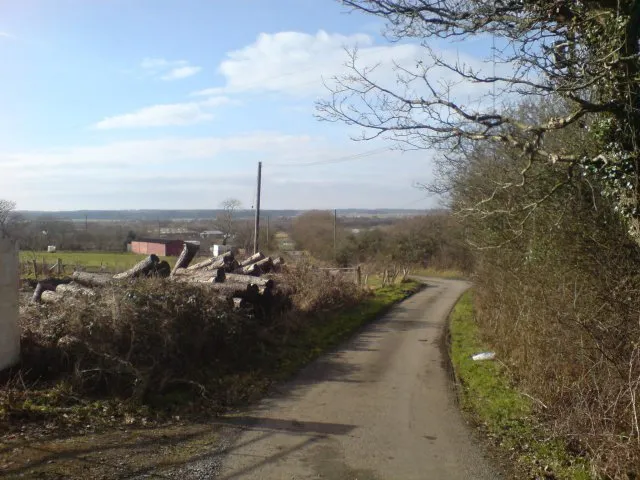
Tree cover is another winter variable that listings rarely explain. Bare deciduous trees let plenty of light through, but dense evergreens, conifer belts and high hedges can keep a cottage in shade all day. They also keep the ground wetter. A house under heavy trees may be picturesque in May and muddy, drip-fed and gloomy in February. Look at satellite imagery for dark green blocks close to the building, and check whether the access lane runs through woodland or along an open field.
The lane matters as much as the garden. A shaded track on a north-facing slope can stay icy for days after the main road has cleared. A steep, unsurfaced drive may be fine in dry cold and troublesome in thaw. If the listing mentions a rural location, ask how the lane is treated in winter and whether a standard car will manage it. This is not just a driving question; it affects whether you can get out for dinner, whether a grocery delivery will attempt the last stretch, and how confident you feel leaving after a frosty night.
Altitude and wind
Higher ground is usually colder, but the relationship is not neat. A cottage at 300 metres may be several degrees chillier than one in the valley, especially in a north-easterly wind. It may also be more exposed, with heat escaping faster and outdoor spaces feeling raw. On the other hand, a hilltop cottage can be brighter, drier underfoot and less prone to the fog that sits below. The trade-off is usually shelter versus sun, and damp versus draught.
Think about how you will use the place. If you plan to walk from the door and come back muddy, a well-drained hill cottage with a boot room may beat a prettier valley property with a soggy path. If you want short strolls to a pub and a sheltered garden, the valley may be worth the extra frost. Neither is better; they suit different winter habits.
Moisture is the follow-on question
Cold air often comes with damp, and old cottages feel both. Valley floors, shaded gardens and heavy tree cover all make condensation more likely, especially in bathrooms and bedrooms with poor ventilation. That is not a reason to avoid them, but it is a reason to ask about heating, drying space and airflow. A good host will tell you whether there is a dehumidifier, a heated towel rail, a drying room or a policy on opening windows. A vague answer about being cosy is less useful than a specific one about how the place is kept dry.
Ask three specific questions
Before you book, send the host a short, practical message. Ask which way the main rooms face and whether the cottage gets direct sun in winter. Ask about the access lane in frost or snow, and whether it is gritted. Ask where wet coats and boots are meant to dry. These are not fussy questions; they are the difference between packing for the break you imagined and improvising around the one you booked.
Finally, match the microclimate to your tolerance. A frost-pocket cottage can be magical: clear, cold mornings, wood smoke, no reason to go anywhere. A breezy hill cottage can be brighter and easier underfoot, but less snug. Read the land, check the map, and choose the winter weather you actually want to wake up to.