Your Host Is in the Annex: How to Read an On-Site Cottage Stay Before You Book
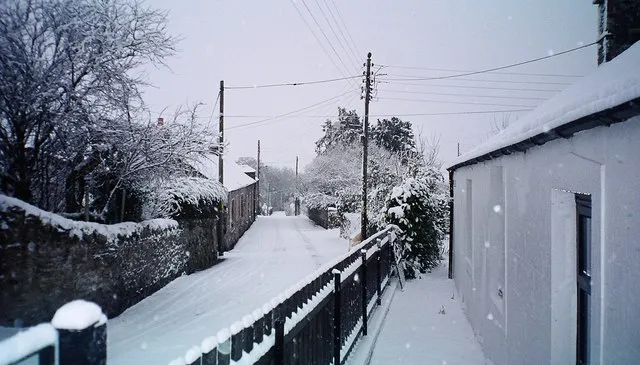
Photo: Jane McAulay, CC BY-SA 2.0, via Wikimedia Commons
You spot it halfway down the listing: 'The owners live on site.' For some guests that is a warm reassurance — someone to sort the boiler, point you to the best pub, lend a hand when the weather turns. For others it is a small warning light. Will you feel watched? Will the garden be shared? Whose car gets the turning space? None of those worries are unreasonable. The trick is to book with your eyes open, not to assume the worst. An owner next door can be one of the best parts of a cottage stay, provided you know what kind of neighbourly proximity you are paying for.
Start with the geography, not the welcome
On-site host covers a wide spread of arrangements. At one end, a friendly couple in the farmhouse across the yard who wave at breakfast and are otherwise invisible. At the other, a converted barn where the owner lives in the annexe, shares the garden, parks behind your car and pops round with fresh eggs. Both can be lovely. They are very different holidays.
Before you fall for the photos, map the layout. Where is the owner's front door in relation to the cottage? Is the garden divided by a fence, a hedge or nothing at all? Is the drive shared, and is there room to turn? Does the cottage have its own entrance, or do you pass the owner's kitchen window every time you come back from a walk? If the listing does not make this clear, ask for a simple description. A good owner will understand why you are asking.
The difference between a host and a housemate
The phrase on-site host can mean available, not present. Many owners live nearby precisely so they can respond quickly without intruding. They leave a key safe, send a welcome message and stay out of the way unless something goes wrong. That is hosting at its best.
Hands-on hosting is different. It might mean a personal welcome, a tour of the log burner, a shared utility room or a daily check that all is well. None of that is bad — some guests love it. But if you are booking a quiet week with no social obligations, you should know in advance. Ask how often the owner expects to see you. Ask whether they will be around during your stay or away themselves. Ask who your main contact will be if they are not.
Shared gardens, driveways and the awkward bits
A garden is one of those listing words that can mean almost anything. It might be a private patio with a bistro table, or a large lawn that the owner also uses. It might be enclosed for dogs, or open to a lane. If outdoor space matters to you — for children, a dog, a morning coffee in privacy — ask exactly which part is yours and whether the owner will use it while you are there.
The same goes for parking. Parking for two cars sounds straightforward until you discover it means a shared gravel area where the owner's car sits behind yours. Ask about arrival and departure times, turning space and whether anyone needs to move a vehicle. These small practicalities are far easier to settle by message than on the doorstep with a suitcase in the rain.
Noise travels both ways
Old cottages have thin walls, creaky floors and plumbing that announces itself. When the owner lives on site, normal household noise can carry in both directions. A washing machine, a lawnmower, a dog barking at the postman, footsteps overhead — none of it is unreasonable, but it is worth knowing if you are sensitive to sound or planning a late-night celebration.
Ask whether there is any regular work on the property during your dates. Ask if the owner has dogs, and whether they are likely to be out in the shared areas. And be honest about your own plans. If you are booking a birthday weekend with music and a hot tub, check that the owner is comfortable with that. A five-minute conversation now saves a tense knock on the door later.
Pets: whose dog is in charge?
Pet-friendly cottages with an owner on site can be brilliant — often the owner has a dog themselves and understands the drill. But shared ground needs clear rules. Is the garden secure? Are there livestock nearby? Does the owner's dog roam freely? Will your dog be able to meet theirs, or is it better to keep them separate? If your dog is reactive or elderly, say so. Good owners will tell you honestly whether the setup suits.
The check-in question that reveals the most
If you only ask one thing before booking, ask this: how would you like us to handle arrival and any issues during the stay? The answer tells you a lot. A key safe and a phone number suggest a hands-off but responsive host. A request to text when you are twenty minutes away suggests a personal welcome. A long list of rules about bins and parking suggests an owner who likes things done a certain way — not a red flag, just useful information.
Follow up with a second question: will you need access to any part of the property while we are there? Knowing whether someone will be mowing the lawn, fixing a fence or using the shared laundry room helps you picture the week accurately.
Five questions to send before you pay
- Which parts of the garden and driveway are private to the cottage?
- Will you be living on site during our stay, and how often should we expect to see you?
- How do you prefer to be contacted if something goes wrong?
- Are there any shared spaces or access routes we should know about?
- If we are bringing a dog, how do the shared areas work?
Clear answers are a good sign. Vague answers are not necessarily a problem, but they are worth a polite follow-up. A confident owner will not mind.
When on-site hosting is the right choice
For some breaks, an owner nearby is exactly what you want. A remote rural cottage in winter, a first trip with a young family, a stay where you would rather not be completely alone — having someone close by can feel reassuring rather than intrusive. It can also mean local knowledge, a spare log basket and a quick fix when the heating misbehaves.
It is less well suited to guests who want total seclusion, late-night noise or a garden where nobody else ever appears. That is not a criticism of either party; it is simply a mismatch. The best cottage bookings are the ones where the practicalities are settled before you arrive.
The final read
An owner next door is not a warning sign in itself. It is a detail that deserves a question or two. Read the listing for clues, ask about the layout and be honest about how you like to holiday. A good on-site host is not a landlord with a clipboard. They are a neighbour who knows when to appear and when to disappear — and that can make a cottage stay feel all the more comfortable.