The Hot Tub Tax: What the Amenity List Is Really Adding to Your Nightly Rate
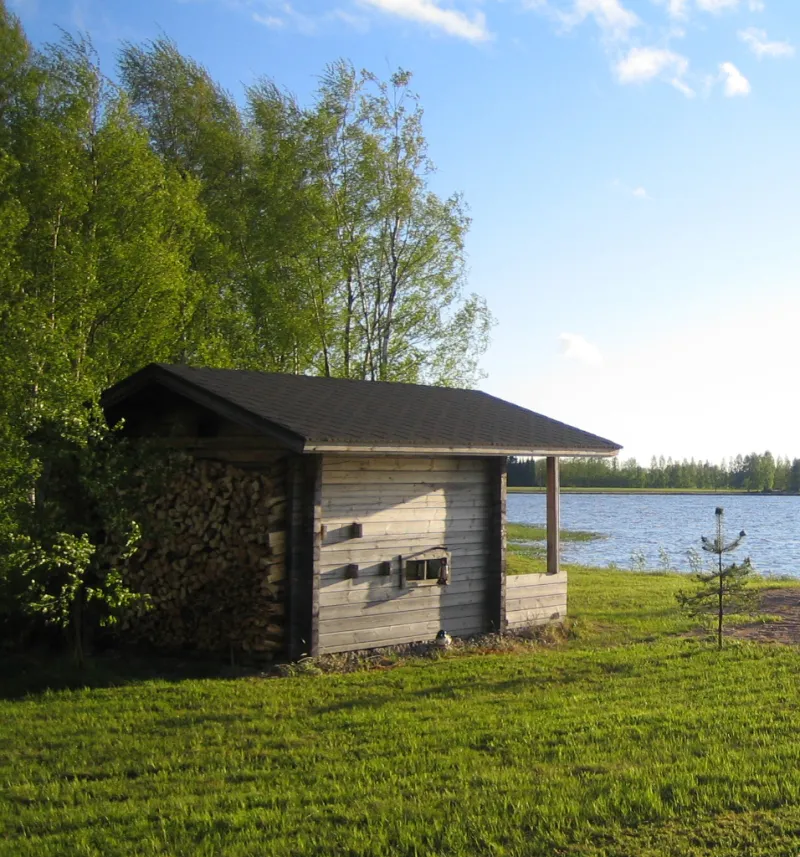
Photo: No machine-readable author provided. Qz10 assumed (based on copyright claims)., Public domain, via Wikimedia Commons
Somewhere along the way, booking a cottage stopped being about finding a house in a place you like and turned into a comparison exercise in facilities. Hot tub. Pizza oven. Games room. Wood burner. EV charger. Dog shower. Cinema room. The list grows, the nightly rate grows with it, and somewhere in the middle of it all a family of four pays an extra forty quid a night for a hot tub they will use twice, in the rain, while arguing about the lid.
This is not a rant against nice things. It's an argument for choosing the cottage that fits the trip rather than the one with the longest features list.
How an amenity becomes a tick box
It happens the same way every time. One cottage installs a hot tub and gets booked solid for a season. The neighbours notice. Within two years, half the rural lets in that valley have one, and the half that don't start to look, in the flat arithmetic of a search filter, like worse value.
That's the trap. Filters don't measure whether you'll enjoy something. They measure whether it exists. A cottage with a hot tub is not automatically a better cottage than one without — it's a cottage with a hot tub, which may also be a cottage that costs £55 more a night and has a slightly tired bathroom because the money went outside.
What the extras cost you, per night
Do the sum before you book. Find two comparable cottages in the same village — same size, same standard — where one has a hot tub and one doesn't, and look at the difference across a week. In popular rural areas in peak season, the gap is often £25 to £60 a night. On a seven-night stay that's a decent chunk of a second holiday.
Then ask the honest question: how many hours will you actually be in it? Two adults, a wet evening, a bottle of something, half an hour before the pub — lovely. Six people taking turns, refilling, and discovering the temperature has dropped because someone left the lid off for an hour — considerably less lovely.
The people who look after them
Here's the part the listing never mentions. Every amenity is somebody's job.
"A hot tub is a second job that heats water," says a Peak District host who removed hers after three seasons. "Chemicals checked twice a day in peak season, filter rinsed daily, water changed every few weeks, and then a message at ten at night because it's gone cloudy and someone's convinced it's their fault. I loved it for a year. Then I did the maths on my own time."
A cleaner working across a group of Cornish lets is just as direct: "Tubs add forty minutes to a changeover, minimum, and that's if the guests have been careful. If they haven't, it's longer, and the next family is standing at the gate at four o'clock."
The same logic runs through every gadget. A pizza oven takes forty-five minutes to come up to heat, needs dry wood and a patient adult, and gets used once by most groups before everyone remembers there's a perfectly good pub down the lane. A games room is frequently a garage with a pool table, a dartboard and a smell. None of this is dishonest — it's just unexamined.
Match the property to the trip, then the company
Before you open a single listing, write down two things: what kind of break this is, and who's coming.
A walking weekend in February with two friends wants boot space, a drying room, a hot shower and a proper fire. A hot tub is optional garnish; a reliable boiler is not. A multigenerational week in August wants space, shade, a big table and a garden the children can be let loose in. A couple's anniversary in October wants a bath, a view and a kitchen worth cooking in.
None of those lists are the same, and the amenity list doesn't know the difference. You do.
A blunt guide
Worth paying for:
- A genuinely well-equipped kitchen. Sharp knives, a decent pan, more than four of anything. Costs the host very little, improves every single day of your stay.
- Good beds and good showers. The two things nobody forgives.
- Real heating and a reliable hot water supply. Especially October to March.
- A wood burner, if there's a dry log store and instructions. This one earns its keep in winter in a way a hot tub simply doesn't.
- Parking that isn't a euphemism.
Usually just a photograph:
- The hot tub, unless you know you're a hot tub family and will be in it daily. Price it in and decide deliberately.
- A pizza oven, unless you enjoy tending a fire for an hour before you eat.
- A games room, unless the listing shows the room properly rather than one corner of a pool table.
- "Smart TV" — a phrase that has long since stopped meaning anything.
- Anything described only as "luxury".
The wood burner caveat
One genuine warning. A wood burner is a wonderful thing in a cold cottage and a nightmare in a badly insulated one, because hosts sometimes install one instead of addressing the actual heating. Ask what the central heating is, whether it's oil or electric, and whether the cottage is warm without lighting a fire. A cottage that's only cosy once the stove is lit is a cottage that's cold at 7am.
Book the holiday, not the feature list
The best self-catering stays we hear about are rarely the ones with the longest list of facilities. They're the ones where the place suited the people in it: enough room, warm enough, well enough equipped to cook a proper dinner, close enough to walk to the pub, far enough from the road to hear owls.
That's not boring. That's the actual product. Everything else is a filter, and filters have never once made anybody's weekend.