'Dogs Welcome' Is Not a Policy: Ten Questions to Ask Before You Book a Pet-Friendly Cottage
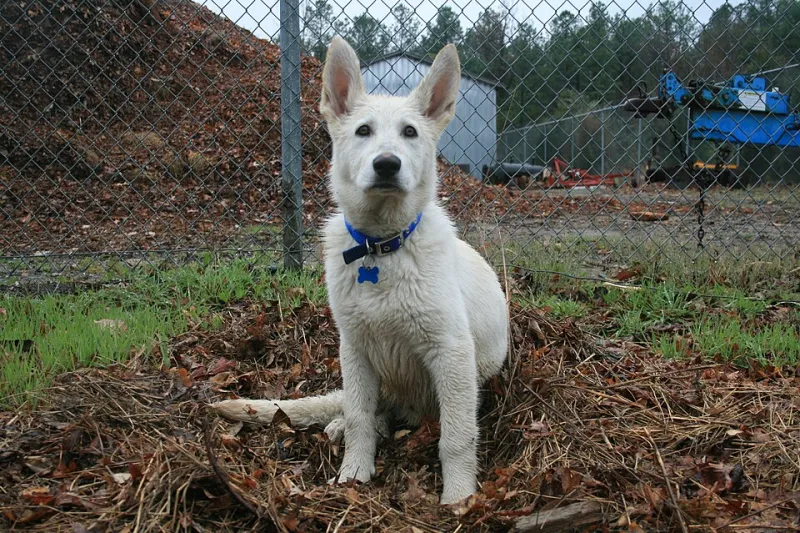
Photo: Ildar Sagdejev (Specious), CC BY-SA 3.0, via Wikimedia Commons
Somewhere on the internet there is a cottage described as 'dog-friendly' that has no garden gate, cream carpets and a host who would rather you hadn't come. The label costs nothing to apply and means nothing on its own. What matters is the specific set-up, and the only way to find it out is to ask.
Below are the ten questions I would put to any host before pressing book. They are not suspicious questions. Most owners are delighted to answer them, because a guest who asks is a guest who doesn't let the dog sleep on the bed and then deny it.
1. Is the garden actually enclosed, and to what height?
'Enclosed' has at least three meanings in the UK: fully fenced at 1.8m, fenced at knee height with a gap under the gate, or 'there's a nice bit of grass at the front'. Ask for the height, ask whether the gate latches, and ask what's beyond the boundary. A terrier will find the gap. A spaniel will find the gap and then the sheep.
2. What are the floors downstairs, and where does the dog sleep?
Tiles and stone are your friend. Cream wool carpet is a hostage situation waiting to happen, particularly in a wet Cumbrian November. Ask whether dogs are allowed upstairs and on furniture, and take that answer as final rather than negotiable on arrival.
3. How many dogs, and does the fee stack per dog?
Some cottages welcome two at no extra charge. Others charge £25 per dog per stay, which turns a cheap break into a less cheap one. Confirm the maximum, and mention the size and breed honestly — a host who expects a cockapoo and gets two huskies will not be pleased.
4. What's the cleaning charge, and what triggers it?
Most pet-friendly places build a modest pet fee into the price. Some hold a separate deposit and deduct for hair on the sofa. Ask what the realistic expectation is. If the answer is 'we charge £40 if the dog has been on the beds', you now know exactly where the line is.
5. Is there livestock next door?
This is the question people forget, and it matters more in the countryside than any other detail. Ask about sheep in adjacent fields, cattle on the footpath that starts at the gate, and poultry in the yard. Public footpaths through grazing land are normal and legal — but you need to know before you unclip the lead.
6. Can the dog be left alone in the cottage?
Almost every host will say no, and they are right to. A strange house, unfamiliar noises and a closed door is how dogs end up howling for three hours while you eat lunch in a pub two miles away. If you need to leave the dog, ask whether there's a local sitter or a dog-friendly pub within walking distance instead.
7. Where's the nearest pub that actually lets dogs in?
'Pub nearby' and 'pub that welcomes dogs' are different claims. Village pubs vary wildly, and some that do allow dogs restrict them to a back room or the garden. A quick phone call sorts it, and it's worth knowing whether the nearest option is a ten-minute walk or a thirty-minute drive.
8. What are the beach or access rules?
In England and Wales, many popular beaches ban dogs between May and September — and the rules can apply to a stretch of sand rather than the whole beach. In Scotland access is generally far more generous. If the whole point of the trip is a morning run on the sand, check the seasonal restriction before you book the cottage behind the dunes.
9. What's the arrival routine — hose, towels, crates?
Good pet-friendly cottages tend to have a boot room with an outside tap, a stack of old towels and somewhere to put a wet dog. Ask. It tells you more about how the place is run than any photo of a welcome hamper. It's also worth asking whether a crate fits in the utility room if your dog is happier in one.
10. Where is the nearest vet, and is there an out-of-hours number?
You will almost certainly never need it. If you do, you will not want to be searching on a Sunday evening with a limping dog in the back of the car. Note the practice and the emergency cover before you travel — it takes two minutes and costs nothing.
How to ask without sounding difficult
Send the questions in one short message rather than ten separate ones, and frame it as helpfulness rather than due diligence: 'We're hoping to bring our two-year-old labrador — she's house-trained and doesn't go on furniture. Could I check the garden is secure and whether there's a pet fee? Also, is there anywhere nearby you'd recommend for a wet walk?' Hosts read that as a guest who will look after the place.
Red flags worth taking seriously
A listing that says 'dog-friendly' but has no pet policy anywhere on the page. A host who is vague about the garden boundary. Photographs of pale carpets in a house advertised for walkers. Any suggestion that leaving the dog alone is fine, because the neighbours are out. And a price that looks oddly low until you find the per-dog charge on the booking form.
What you're actually paying for
A genuinely dog-friendly cottage is not one that tolerates animals — it's one that has been designed around them. Hard floors, a hose by the door, a secure patch of grass, a pub at the end of the lane and an owner who has thought about where a muddy dog goes when it comes in. That is worth a premium. The vague label is not.
Ask the ten questions once, and you'll know which one you're getting.