The Quiet Week: Why Early January 2027 Is the Cottage Bargain Worth Waiting For
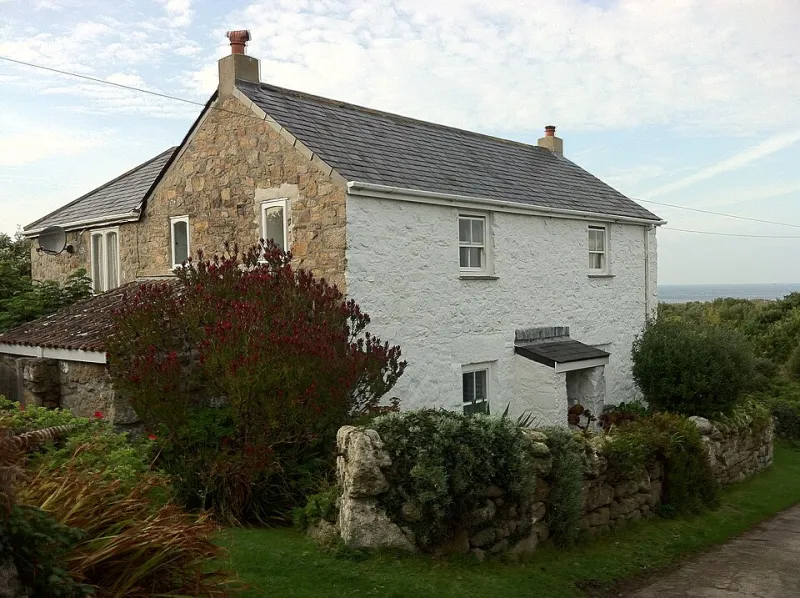
Photo: Andrew Abbott , CC BY-SA 2.0, via Wikimedia Commons
By the time early November 2026 rolls around, most of the cottage conversation is about Christmas. Festive breaks are booked, New Year weeks are being fought over, and the first week of January 2027 sits quietly in the corner like the last mince pie nobody quite wants to admit they fancy.
That quietness is the opportunity. In many parts of the UK, the week immediately after New Year is one of the softest stretches of the self-catering year. Schools are back, the decorations are down, and the people who booked big Christmas cottages have gone home. Owners who faced a blank week in the calendar are often more flexible than they were in December.
It is not a secret worth shouting about from the rooftops, because the moment everyone piles in, the bargains vanish. But if you can travel in that first week, it is worth knowing how the market behaves.
Why the first week of January softens
Christmas and New Year command premium rates because demand is concentrated. Families want specific dates, often Friday-to-Friday or over the actual holiday, and they are willing to pay for them. By 2 or 3 January, that pressure drops away. The remaining guests are often couples, walkers, remote workers or people who simply prefer a quiet cottage to a crowded festive one.
Many owners would rather fill a gap week at a sensible rate than leave it empty. That does not mean every January listing is a bargain, but it does mean short-notice availability is more common than at almost any other time of year. If you are flexible about the exact cottage rather than the exact date, you can often do well.
Where to look
Coastal cottages are not everyone’s idea of January, but they can be excellent value if you pack for the weather and do not expect beach cafés to be open every day. A brisk walk, a pub lunch and a cottage with reliable heating can be a genuinely restorative break. Look at villages that are busy in summer but quieter in winter, where owners are keen to keep bookings ticking over.
National park and rural cottages also come into their own. The first week of January is often cold, clear and wonderfully empty on the footpaths. Just check access before you book: a remote lane that is fine in June can be a different prospect after a frost or a downpour. Ask the owner what the final approach is like and whether winter tyres or a higher-clearance car are advisable.
Town and city cottages can work well for a short break too, especially if you want museums, pubs and a bit of shopping without the Christmas crush. Opening hours may be reduced after New Year, so check the local attractions you actually plan to visit rather than assuming everything is back to normal on 2 January.
Look beyond the headline price
The biggest mistake with January deals is treating a crossed-out price as proof of value. A cottage that was £900 over New Year and is now £500 in the first week of January may still be good value, but only if the total cost works for your group. Add cleaning fees, pet charges, logs, extra linen and any minimum-night requirement before you decide.
Also read what is included. Some winter listings are cheaper because the hot tub is out of service, the wood burner is decorative, or the heating is on a timer that assumes you are out all day. None of those things necessarily makes the cottage a bad choice, but they should be reflected in the price you are willing to pay.
A genuine January deal usually looks like this: a sensible nightly rate for the size of the property, clear information about what is open, and an owner who answers questions about heating and access without dodging them. A discounted listing with hidden compromises often looks like this: a very low headline rate, a long list of extras, and vague answers about the very things winter guests care about.
Weather, opening hours and the honest winter test
January in the UK is not a guarantee of anything. You might get bright frosty mornings, or you might get three days of horizontal rain. The best cottages for this week are the ones that work even if you cannot spend all day outside: decent seating, a proper dining table, a well-stocked kitchen and a heating system that is not a closely guarded secret.
Check whether the local pub is open all week. Many rural pubs take a short break after New Year, and the nearest alternative may be further than the listing implies. The same goes for farm shops, village stores and the attractions that make a place worth visiting. A quiet week is lovely; a week where everything is shut and the nearest open shop is eight miles away needs a different plan.
Ask about the changeover day too. Some cottages have awkward gaps in early January, and a short break may be possible even if the full week is not. If you are booking late, that flexibility is your friend.
The quiet-week checklist
- Compare the total cost, not the headline nightly rate.
- Check what is closed locally in the first week of January.
- Ask about heating, logs and hot-tub availability if they matter to you.
- Confirm the final road access in winter conditions.
- Read the cancellation terms before you book a weather-dependent break.
- Consider a shorter stay if a full week is not available.
- Be ready to move quickly on a genuine gap, because quiet weeks do not stay quiet for long.
Early January 2027 will not suit every traveller. If you need long daylight hours, guaranteed sunshine and every attraction open, wait for spring. But if you want a UK cottage break without the festive price tag, the first week of the year is often the calmest, cheapest and most underrated week on the calendar.