The Dog-Eared Test: Reading a Cottage Guest Book Before You Pay a Deposit

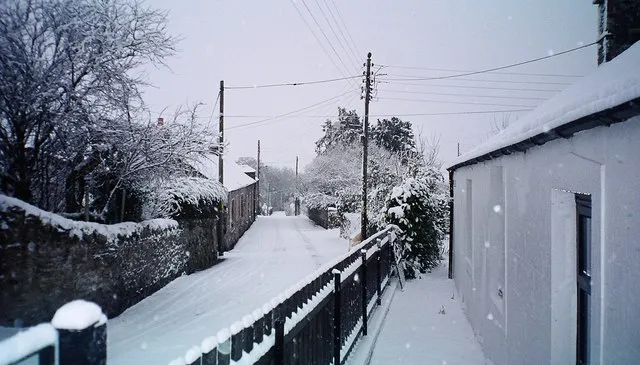
Photo: UK in Israel, CC BY 2.0, via Wikimedia Commons
Guest books occupy a strange place in the cottage booking world. They are part diary, part noticeboard and part informal complaints department. Some are lovingly maintained, with recommendations for walks and the best pub for a Sunday roast. Others are a scrawled record of dodgy showers and short-lived Wi-Fi. Either way, they are easy to skim and easy to misread.
The trick is not to treat the guest book as a verdict. Treat it as a paper trail. Read it alongside the online reviews, the listing photos and your own common sense, and you can usually work out whether a complaint is a one-off, a seasonal quirk or something that has been quietly tolerated for years.
Start with the dates, not the compliments
A guest book without dates is a missed opportunity. A guest book with dates is a diagnostic tool. If someone writes that the back bedroom smells damp in October, then another guest mentions it in February, you are not looking at a fussy visitor. You are looking at a pattern.
Seasonal comments are especially useful. A cottage that feels chilly in a wet February may simply have old windows and a log burner doing most of the work. That is worth knowing if you are booking a winter break, but it is not necessarily a red flag for a July stay. Likewise, a note about the garden being waterlogged after heavy rain tells you more about the drainage than the decor. If the same issue appears across different seasons, pay attention. If it only appears during a heatwave or a storm, file it under context rather than catastrophe.
The same sentence in different handwriting
Repetition is the closest thing a guest book has to a reliable signal. One person saying the shower pressure is weak could be a matter of taste. Three separate parties mentioning it, in different handwriting and across different months, is a maintenance issue waiting to be fixed.
The wording matters too. 'We couldn't get the Wi-Fi to work on the first night' is a different beast from 'Wi-Fi was down all week and the owner didn't reply'. The first could be a router reboot. The second is about both the amenity and the response. Look for specifics: a named room, a particular tap, a recurring noise, a lane that floods, a mattress that dips in the middle. Vague grumbles are less useful than precise ones.
Also look for the host's side of the story. Some owners write replies in the margins or add a note at the back. A host who explains that the boiler was replaced in the spring, or that the lane works were due to finish in October, is at least engaging with the feedback. Silence is not proof of guilt, but it is worth noting.
One grumble or a structural issue?
Most guest books contain a few comments that are really just holiday admin: ran out of loo roll, forgot the corkscrew, neighbours had a party. These are not reasons to cancel a booking. They are reasons to pack a corkscrew.
The comments that deserve more weight are the ones that describe something recurring, uncomfortable or expensive to fix. A boiler that failed twice in one season. A downstairs loo that smells of damp after rain. A driveway that scrapes the bottom of a normal car. A bedroom window that won't close. These are not quirky cottage charms. They are the sort of things that shape a stay, especially if you are booking for a week rather than a weekend.
Be wary of the guest book that only contains praise but no detail. 'Lovely cottage, had a great time' is nice to read and almost useless to a future booker. You want the entries that mention the lane, the heating, the water pressure, the nearest shop, the walk to the pub and whether the dog found the garden secure. Specific praise is as valuable as specific criticism.
What a thin book can hide
A nearly empty guest book is not automatically suspicious. It could be a newly launched let, a recently changed owner or a cottage that relies on online reviews instead. But a book with only a handful of entries over several years is worth a question. Where are the other guests? Did they not write anything, or did someone remove the pages that mattered?
Suspiciously glowing books deserve the same scrutiny. If every entry is written in the same pen, uses the same phrases and has no dates, you are not reading a guest book. You are reading a marketing document. That does not mean the cottage is bad. It means the book is not evidence. Online reviews can be curated too, but at least they usually carry dates and a right of reply. Read both, and look for themes that appear in both places.
Ask better questions before you book
A guest book should send you to the enquiry form, not straight to the back button. If you spot a theme, ask about it plainly. Has the boiler been reliable? Is there a known damp issue in any room? What is the water pressure like when both showers are running? Does the lane flood, and is the drive suitable for a low car? Has the Wi-Fi been reliable for guests who need to work?
You do not need to list every comment you read. A good host will recognise the issue and tell you what has changed. A vague answer to a specific question is itself useful information. At HolidayCottages.cc, we would always rather you ask the awkward question before you pay a deposit than discover the answer from a dog-eared page on arrival.
The guest book is not the final word. It is a conversation starter. Read it slowly, trust the patterns more than the poetry, and use it to book with your eyes open.