The 3pm Storm Audit: Finding a Cottage That Works When the Weather Doesn't
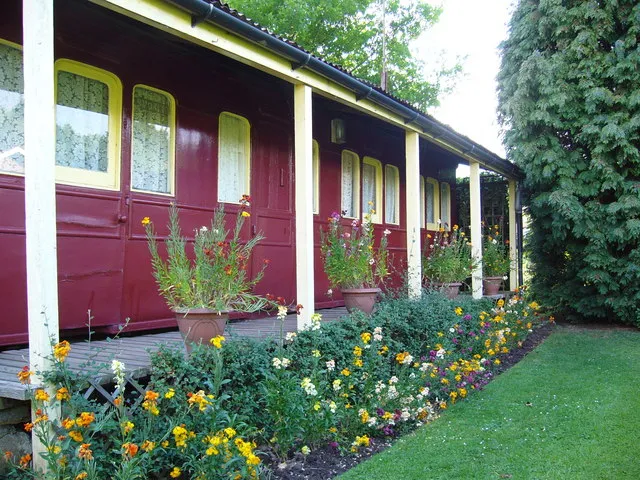
Photo: David Seale, CC BY-SA 2.0, via Wikimedia Commons
Most holiday cottages are photographed on their best day. The sun is out, the lawn looks mown, and the view from the kitchen window is doing a lot of heavy lifting. That is fine as far as it goes. But a UK cottage break is rarely a single sunny afternoon. It is a week or a long weekend, and at some point — probably around 3pm on a wet Tuesday — the weather will cancel the walk, the beach and the pub garden. The question then is simple: does the cottage itself have a room for bad weather?
This is not about looking for gloom. It is about reading a listing for the version of the stay you will actually get. A cottage that works in the rain is usually a better cottage in the sun, too. Here is what to check before you book.
Start with the floor plan, not the view
A floor plan tells you more about a wet-weather stay than a gallery of blue-sky photos. Look at how many separate rooms there are and how you move between them. If the only sitting area is a single open-plan space off the kitchen, that can be brilliant for a couple or a small family. For six adults on a rainy afternoon, it can feel like a waiting room.
Check whether the plan shows doors. A second sitting room with a door is a genuine escape hatch. A widened hallway labelled as a snug is not. Look at the position of the sofa and the telly, the distance to the kitchen, and whether anyone would have to walk through the seating area to reach the stairs or the bathroom. A cottage can sleep eight and still have nowhere to put four of them when the rain sets in.
Sofa maths for a wet afternoon
Count the seats, not the cushions. A three-seater sofa plus one armchair gives you four comfortable places to land. If the cottage claims to sleep six, ask where the other two are meant to sit. Beanbags, window seats and dining chairs exist, but they are not the same as a proper sofa when you are settling in for a long afternoon.
Photos often crop out the awkward corner. Ask the owner for a picture of the living room from each end, with all the seating shown. It is a reasonable request and a good host will not mind. If the response is vague, assume the seating is tighter than the listing suggests. Also look for a coffee table big enough for mugs, books and a board game. Small details like that decide whether a room is comfortable or merely photogenic.
The table test
Dining tables are quietly important on wet days. A table for four in a cottage that sleeps six means someone eats on the sofa, or you spend the week shuffling chairs. Check how many people can sit at the table at once, not how many could squeeze round it in an emergency. Is it pushed against a wall? Is it a breakfast bar with stools rather than a proper table? Can it hold a jigsaw or a card game without everything sliding off?
If you are booking with children, ask whether there is space to spread out. If you are booking with friends, ask whether the table is somewhere you would actually want to sit for a long lunch. The kitchen may be lovely, but the table is the room's social centre when the weather keeps everyone indoors.
Drying space: the bit nobody photographs
Wet coats, muddy boots and damp trousers need somewhere to go. A porch with hooks and a tray is worth more than a fancy welcome hamper. A utility room with an airer, a heated rail or a dehumidifier is even better. If the listing mentions a boot room, check whether it is a real room or a narrow strip by the back door with space for one pair of wellies.
Ask directly where wet gear should go. If the answer is 'in the hallway' and the hallway is also the only route to the bathroom, you can picture the result. A log burner is not a drying system, and a hot tub does not help with four sets of soaked walking clothes. In winter, drying space is not a luxury extra. It is part of whether the cottage works.
Is the snug really a room?
The word snug is doing a lot of work in cottage listings. Sometimes it means a small, warm second sitting room with two armchairs and a bookshelf. Sometimes it means a corridor with a cushion in it. Look for a door, a window, a sofa and a reason to stay in there. If the photo is taken from the doorway and shows only one chair and a lamp, ask for the dimensions and a second angle.
The same goes for games rooms, studies and garden rooms. A converted garage can be a great games room, or it can be a cold box with a dartboard. Ask how it is heated and whether it is attached to the main cottage. On a wet Tuesday, a room you have to cross a yard to reach may not get used at all.
Light, warmth and the grey-day test
A cottage can look bright in July and gloomy in November. Look at the windows, but also at the lamps. Ceiling lights alone can make an evening feel clinical. Table lamps, floor lamps and a bit of warm lighting make a difference when it is dark by 4pm.
Check the heating arrangements before you book. Is it included? Can you control it? Are there electric heaters in the bedrooms, or just one radiator downstairs? 'Cosy' is a mood, not a specification. If the cottage relies on a wood burner as the main source of heat, ask what happens when the logs run out. A rainy day is much easier to enjoy when the cottage is genuinely warm.
The kitchen as wet-weather headquarters
If you are stuck indoors, you will cook more than you planned. Check whether the kitchen has enough worktop space for two people, a fridge that fits a proper shop, and the basics you need for a rainy-day lunch. A dishwasher helps. So does a decent oven tray, a sharp knife and a cafetière or teapot. These are not glamorous questions, but they are the ones that decide whether a wet afternoon feels easy or irritating.
The questions to send before you book
A short message to the owner can save a lot of guesswork:
- Can you send a photo of the living room from each corner, with all seating shown?
- How many people can sit at the dining table at once?
- Where do wet coats and boots go when we arrive?
- Is there an airer, heated rail or dehumidifier?
- Is the snug a separate room with a door, and how many can sit in it?
- Which rooms have heating we can control, and is it included?
You cannot book the weather. You can book a cottage that has thought about it. A place with enough sofa space, a table that seats the whole group and somewhere to hang a wet coat will earn its keep on the sunny days too. The best test is not whether a cottage looks good in the brochure. It is whether you would be happy to spend a rainy Tuesday afternoon there, with the kettle on and nowhere in particular to be.